The traditions behind the ticket
Anatolian folk dances, explained
Halay, zeybek, horon, bar, spoon dances and karşılama: what each Anatolian folk dance is, its home region and what to watch for, with sources.
Reserve a seat in Sirkeci ↗Quick answer
Turkish folk dance is a set of regional traditions, not one dance. Halay is the broad name for circle and line dances, zeybek belongs to the Aegean, horon to the Black Sea coast, bar to eastern Anatolia, spoon dances to Konya and the Mediterranean, and karşılama is a fast wedding dance in 9/8.
One country, many dances
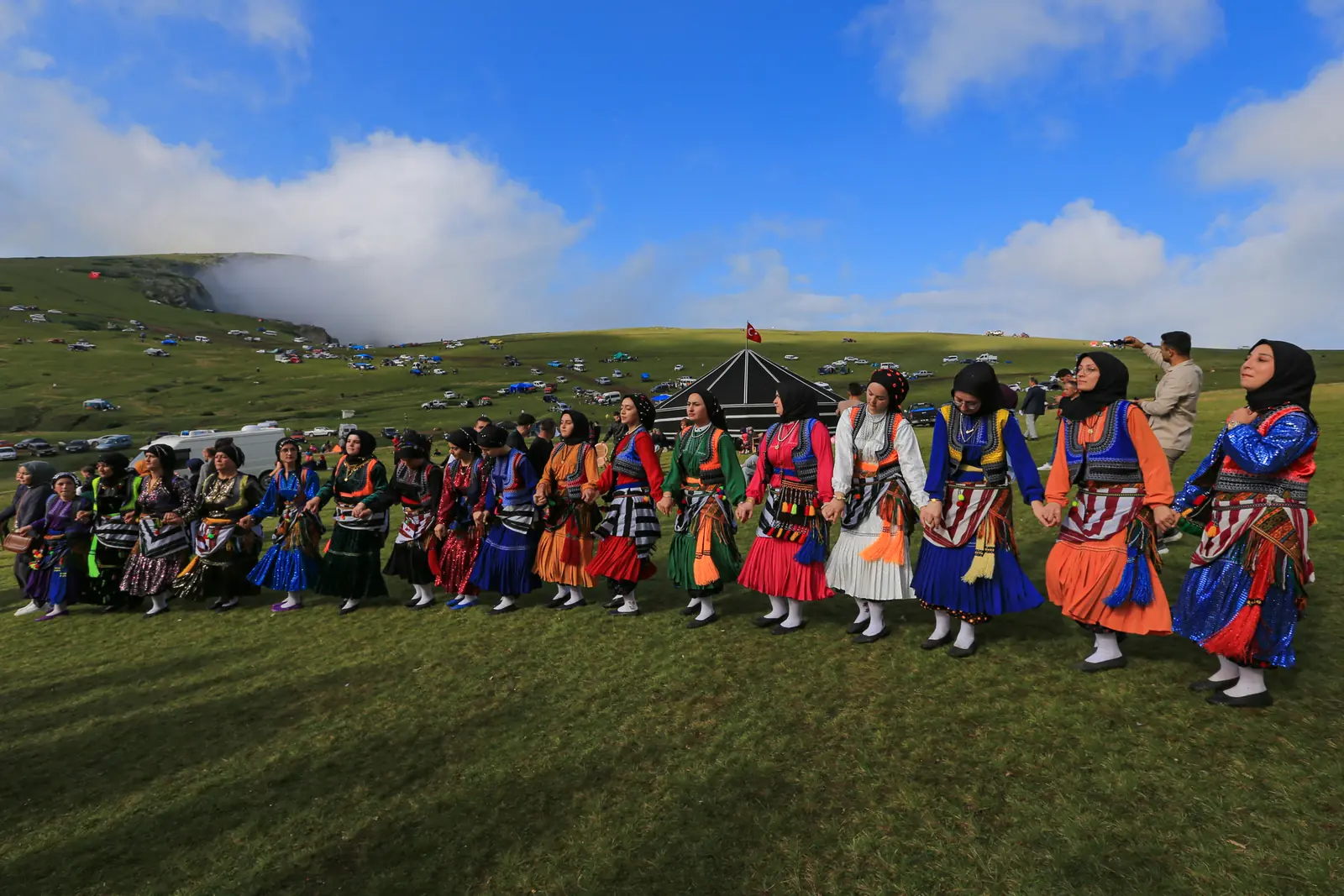
Wikipedia says Turkey's complex culture shows in the variety of its dances, and that line dances dominate. Names, steps, costumes and music change from town to town. Rhythm of the Dance builds its hour on this variety: the ticket promises folklore dances from different regions of Anatolia. This guide is a field guide to six of the traditions, so that you can recognise them as they pass. It is a background guide, not a programme, because the pieces you see on a given date can change.
Halay
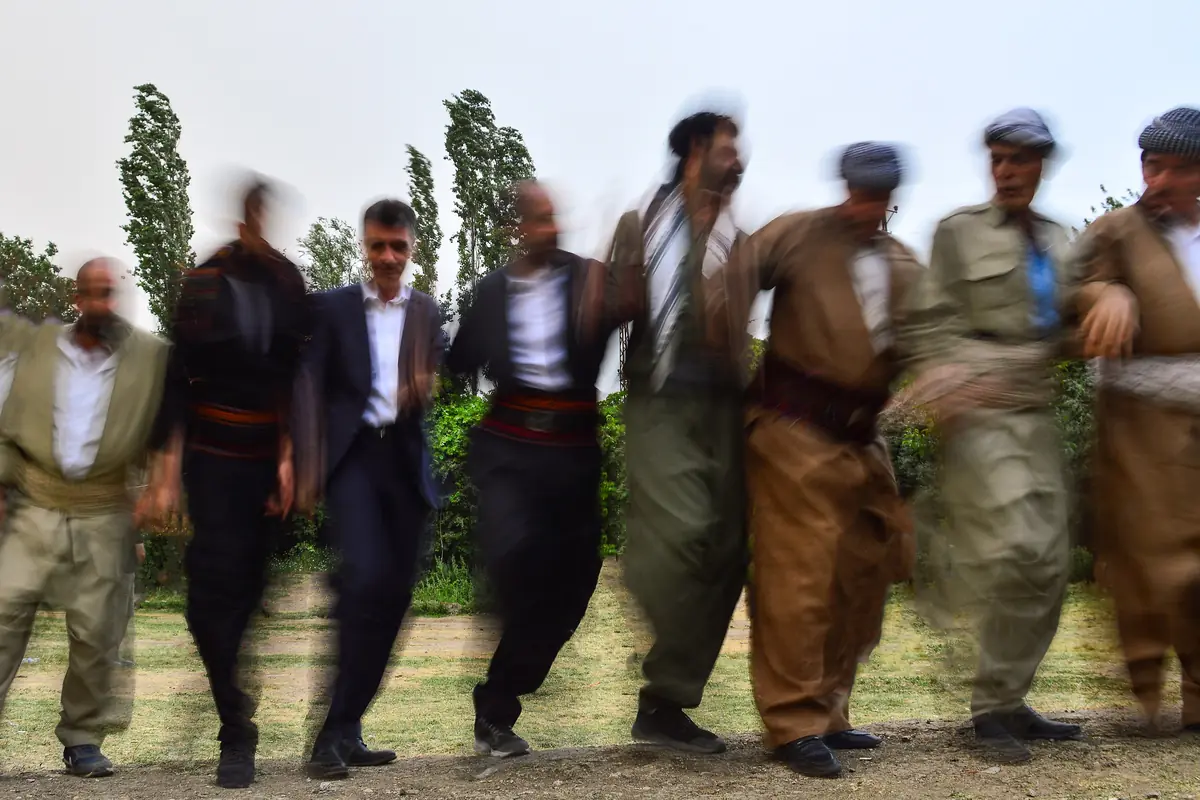
Wikipedia calls halay the national dance of Turkey and says the word covers all the traditional circle and line dances performed across the country. Dancers form a circle or a line, holding each other by the fingers, hands or shoulders, and the first and last may hold a handkerchief called a mendil. Dances usually start slowly and gradually speed up. Names, styles and music vary from village to village. Halay is commonly danced at weddings and festive gatherings, and the zurna and davul traditionally accompany it.
Zeybek
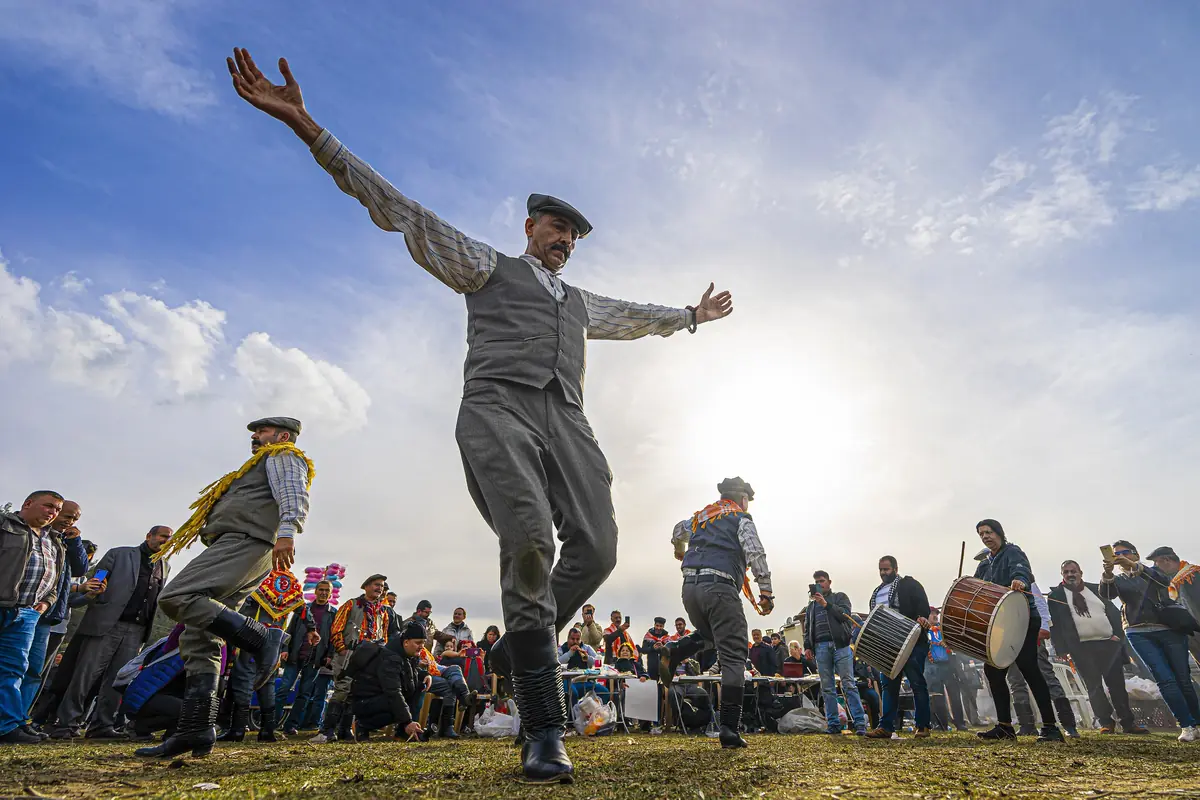
Zeybek is a dance of the Aegean region, and Wikipedia calls it a symbol of dignity, pride and heroism. It has a slow ağır style, solemn and majestic, and a fast kıvrak style with leaps, shoulder shakes, turns and improvised calls. It is named after the Zeybeks, irregular fighters of the late Ottoman period from western Anatolia, and the lead dancer is the efe. The slow style is set in 9/2 or 9/4, and the fast style in 9/8 or 9/16. Women later began to perform it in modern settings.
Horon
Horon is a group of dances from Turkey's eastern Black Sea coast. Wikipedia says it is performed from the Samsun border to the Georgian border, with more than 50 variations recorded in a single area, and that it takes place at weddings, engagements and highland festivals. Groups dance in a line or semicircle with rapid shoulder shaking, whole-body trembling and sudden squats. The music may come from the kemençe, the clarinet, the tulum bagpipe or the davul and zurna, and the dance demands speed and agility.
Bar
Bar is a folk dance of eastern Anatolia. Wikipedia places it in provinces such as Artvin, Ardahan, Erzurum, Bayburt, Ağrı, Kars and Erzincan, and says the name comes from an Armenian word for dance. It is a group dance performed outdoors, with dancers side by side, linked by hand, shoulder or arm, and the men's and women's versions differ. The davul and zurna are the main instruments, and the dominant meters are 5/8 and 9/8.
Spoon dances and karşılama
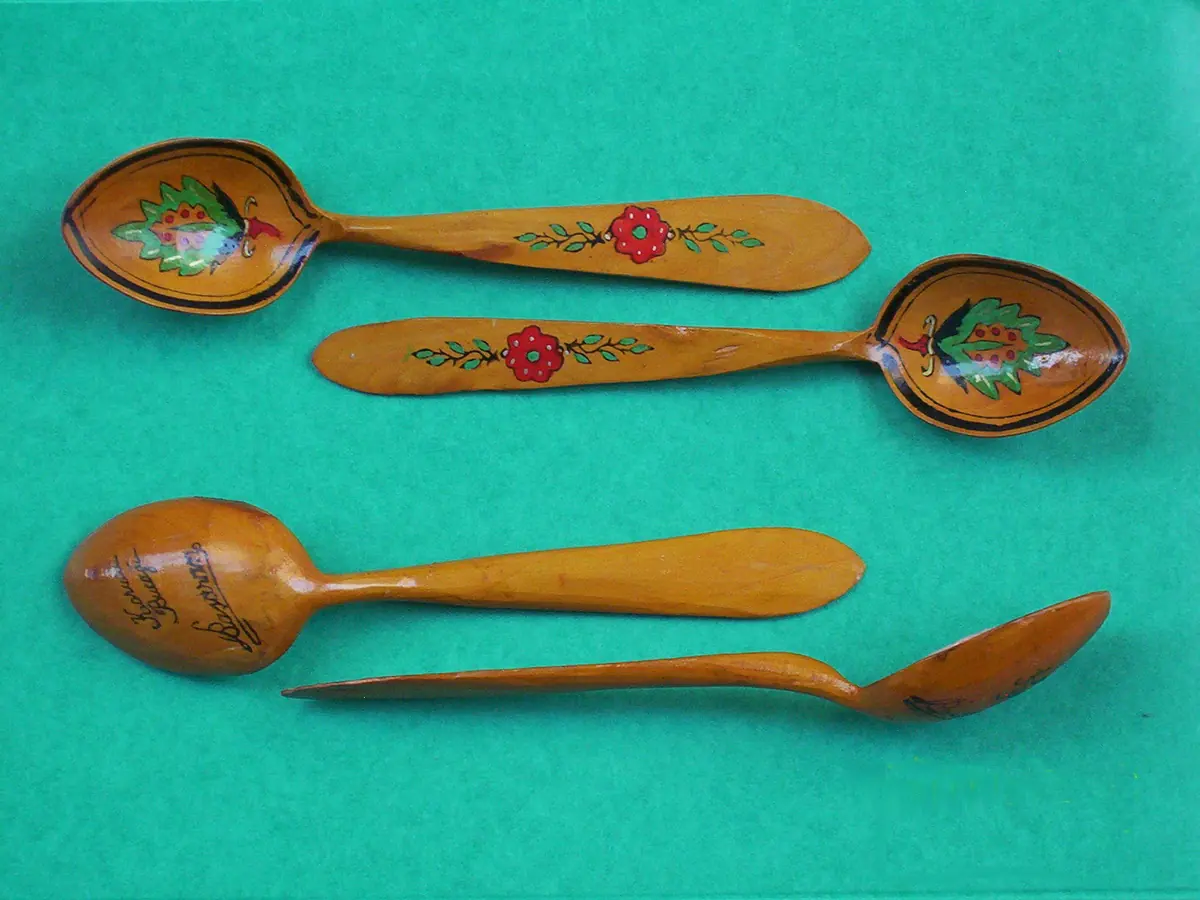
Spoon dances use wooden spoons as percussion. Wikipedia says they are found around Konya and in the Mediterranean region, with Dinar named as the best-known example. Karşılama is a different thing: a fast, face-to-face couple dance, usually in 9/8, tied to wedding music, which began in north-western Turkey. The name means roughly encounter or greeting. Wikipedia says two partners stand opposite each other and that the figures vary by region.
How to watch a mixed programme
Watch the formation first. A line or circle with linked hands points to halay, horon or bar, while two partners facing each other point to karşılama. Then listen for the meter and the instruments. If a piece lopes in nine, it belongs to the aksak family that Wikipedia says marks Turkish folk music. None of this is a promise about the show; it is a way to turn a fast hour into something you can follow.
Read next: Instruments of Anatolian dance
Frequently asked questions
What is halay?
Halay is the broad Turkish name for traditional circle and line dances, often danced with linked hands at weddings and gatherings.
Where does the horon come from?
From the eastern Black Sea coast of Turkey, where it is danced at weddings, engagements and highland festivals.
Sources