The building behind the stage
Inside the Hocapaşa hamam
The history of the Hocapaşa Hamamı in Sirkeci, the double bath that now houses the Hodjapasha Culture Center, from the 15th century to its restoration.
Reserve a seat in Sirkeci ↗Quick answer
The Hocapaşa Hamamı is a double Ottoman bath in Sirkeci, Istanbul, dating from the 15th century. Its men's section closed in 1988 and was restored as a market place, and the dome's portico area, restored in 2008, now runs as the Hodjapasha Culture Center, where Rhythm of the Dance is staged.
Where the bath stands
The Turkish encyclopedia places the bath in Sirkeci, in the Hocapaşa neighborhood, where İbnikemal Avenue meets Hocapaşahamamı Street. Sirkeci sits on the historic peninsula near the mouth of the Golden Horn, and is best known for its railway station. The culture centre's own address is Hocapaşa Hamamı Sokağı 3/B, in the Fatih district.
A double bath
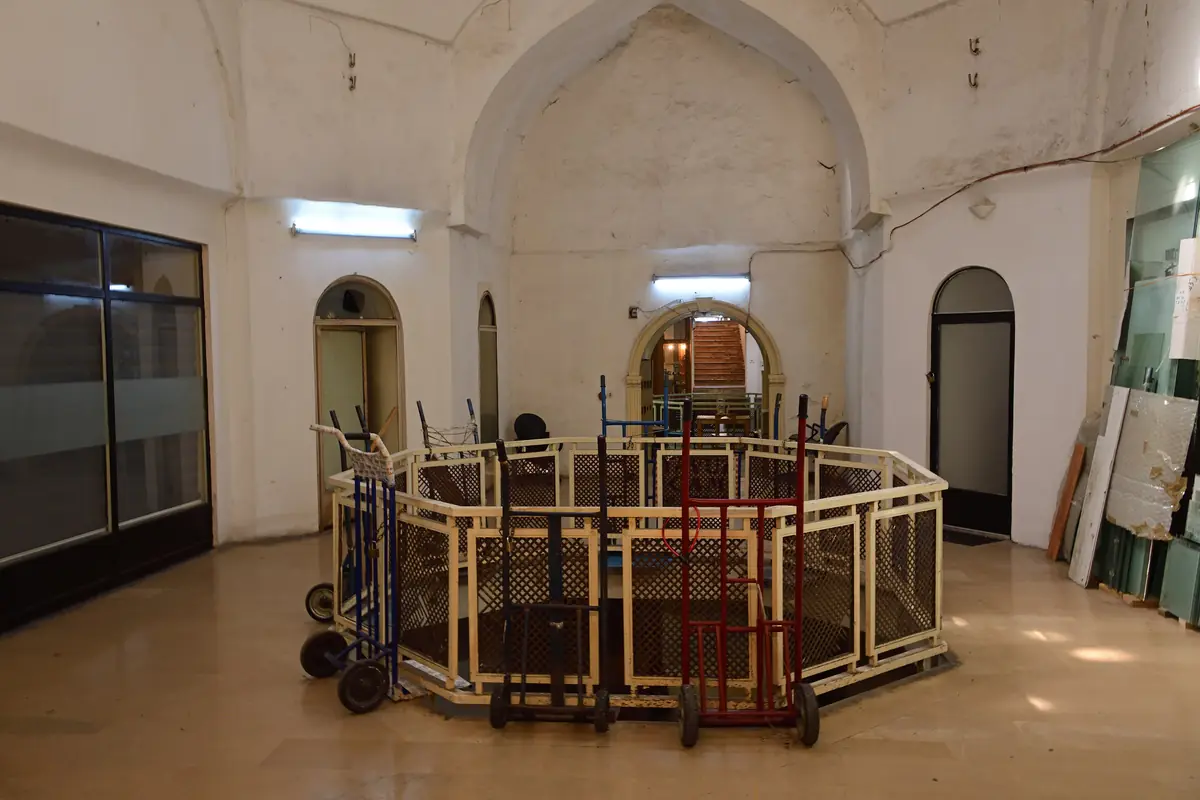
Hodjapasha is a large double hamam, meaning it was built to serve men and women in separate sections. The encyclopedia says the two sections stand side by side, each with its own entrance on a different street. The men's section is larger and follows a classic plan with four iwans and domed cells. The women's section is smaller, with a more complex plan and three domed private rooms. The centre's history adds that the bath was built with neatly hewn stone and double rows of brick.
The name Hodja Pasha
The bath is known as Hodja Pasha because of the district and because Hodja was the nickname of Sinan Pasha. The centre's history says Sinan Pasha was the son of Hızır Beg, received a thorough education from his father and from leading teachers, and later became tutor and vizier to Fatih Sultan Mehmet. Documents from the sultan's charitable foundation call the building the Sinan Pasha hamam and mention a nearby Hodja Üveys prayer room, which later became a small mosque that still stands.
Who founded it
The encyclopedia attributes the bath to Fatih Sultan Mehmed himself, built as an endowment for his own benefit and registered in the name of the vizier Sinan Pasha. The building carries no inscription, so there is no founding date on the stone. The encyclopedia places it in the 15th century, because Sinan Pasha died in February 1486 and the foundation deed belongs to Mehmed's reign. That is why this guide says 15th century and gives no exact year.
Inside a hamam
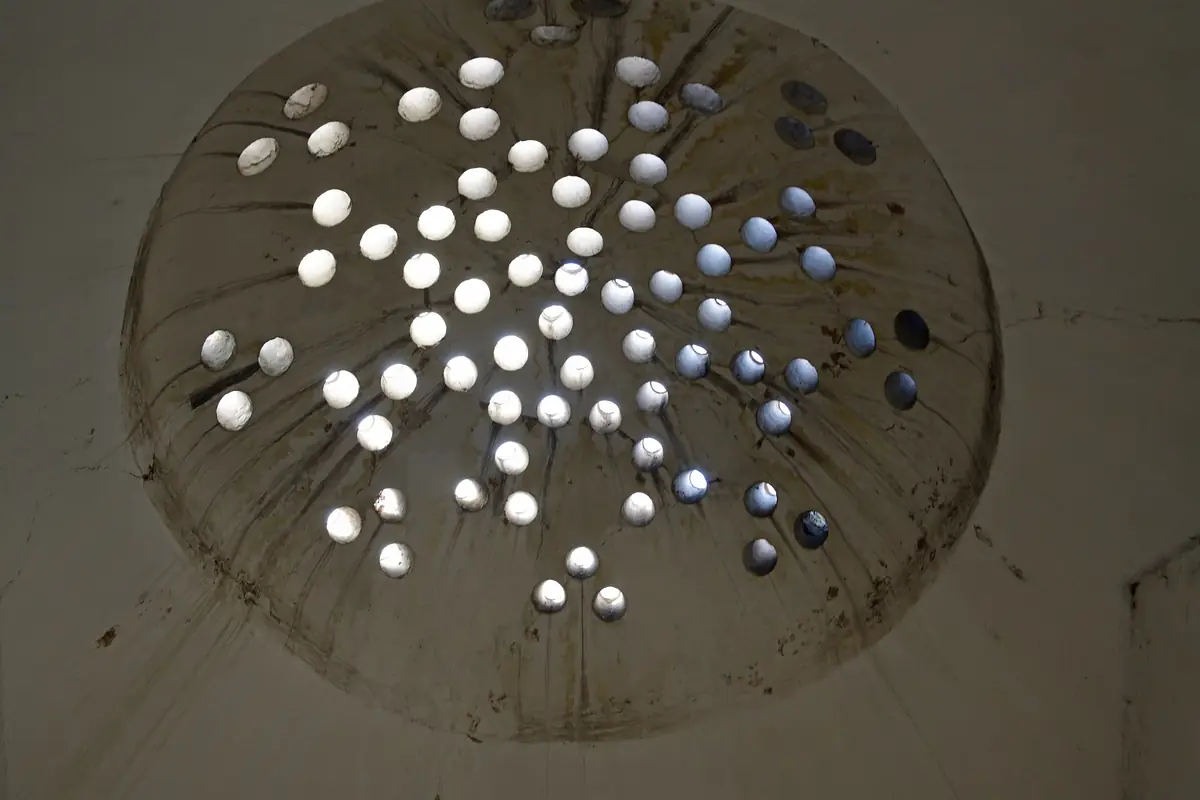
Wikipedia describes the usual Ottoman layout. The changing room, the camekân, is usually the largest domed space and often has a central fountain. The warm room, the ılıklık, often works as a passage to the hot room, which usually has the richest decoration, with a central dome and small private chambers called halvets. Steam-room domes and vaults were often pierced with small openings or skylights, which let in daylight and let steam escape. The history of Hodjapasha mentions corner vaults shaped like a peacock's tail and a roof light on the dome.
Fire, closure and change
The encyclopedia says the bath was probably damaged in the Hoca Paşa fire of 17 September 1865, and that renovations between 1990 and 1995 turned the building into a business arcade. The centre's history says the men's section was closed in 1988 and restored as a market place, with extra doors, demolished walls and eyvan arches turned into small shops. It adds that the heating installations were removed and that, as a result, the original architectural plan was lost.
A culture centre since 2008
Today the portico area of the dome, restored in 2008, is kept alive as a culture center, which the history says is meant to inspire the other parts of the hamam, used as a market place, to develop in the same way. That centre is where Rhythm of the Dance is staged. If you go, look up as well as around: the building is the other half of the evening, and the show borrows its character from a bath that has been part of this district for more than five centuries.
Read next: Hodjapasha dance show, explained
Frequently asked questions
How old is the Hocapaşa Hamamı?
It dates from the 15th century. The encyclopedia gives no exact year, since the building has no inscription.
Who built it?
The encyclopedia attributes it to Fatih Sultan Mehmed as an endowment registered in the name of Sinan Pasha, his tutor and vizier.
When did it stop being a bath?
The centre's history says the men's section was closed in 1988.
Sources