The show and the ticket
Hodjapasha dance show, explained
What the Hodjapasha Rhythm of the Dance show is: the dances, the hamam, how it differs from a dervish ceremony, and what to know before you book.
Reserve a seat in Sirkeci ↗Quick answer
Rhythm of the Dance is a 65-minute folk-dance show at the Hodjapasha Culture Center, a restored Ottoman bath in Sirkeci. Professional dancers perform dances from different regions of Anatolia, mixed with modern choreography, costumes, live music and video projection. It is not a whirling-dervish ceremony. Seats go to whoever booked first, the calendar lists each date, and a refund is available when you cancel a day ahead.
What Rhythm of the Dance is
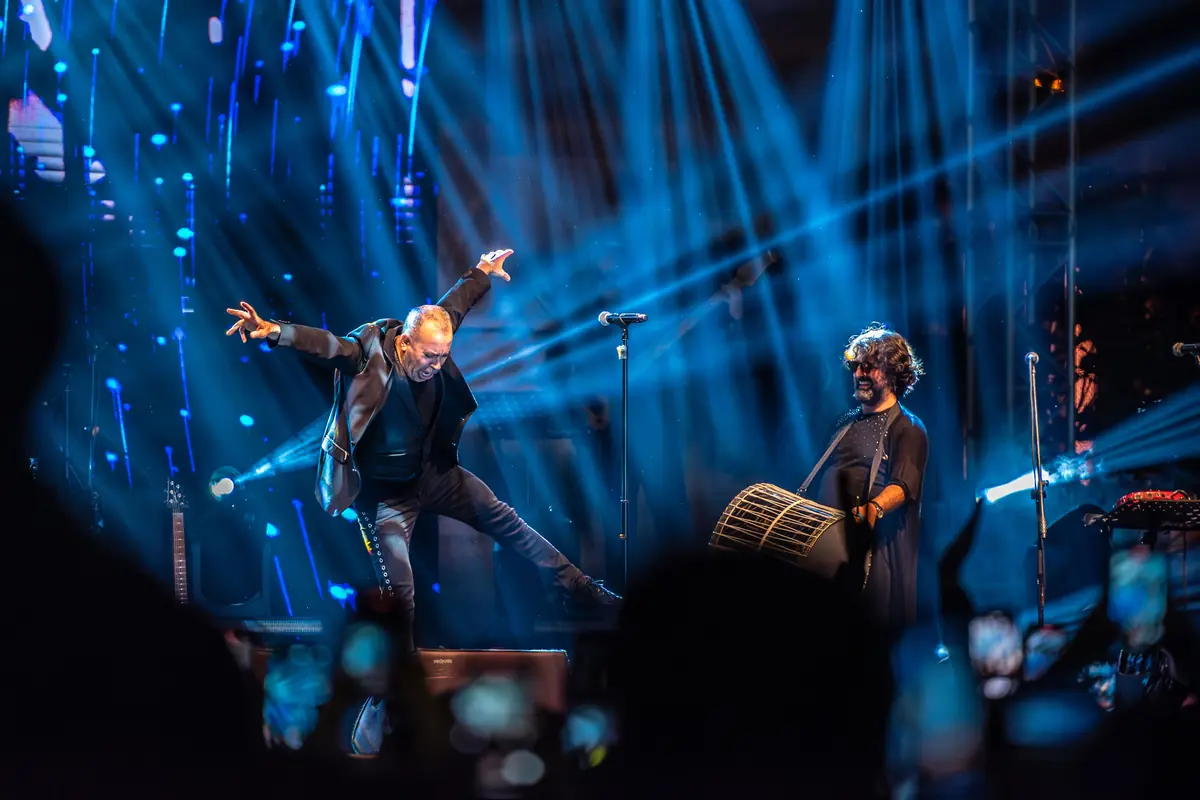
Rhythm of the Dance is a staged show of Turkish folk dances at the Hodjapasha Culture Center in Istanbul. The ticket describes professional dancers performing folklore dances from different regions of Anatolia, blended with modern choreography, costumes, live music and video projections, and it runs for 65 minutes. It also promises that you will learn about Turkish culture through its dance and music. The setting is part of the pitch: the ticket calls the building a restored Ottoman bath, 550 years old, and the centre's own materials date the hamam to the 15th century. Think of the evening as a short, theatrical introduction to a country whose folk dances change from region to region, staged inside an old bath rather than a conventional theatre.
What you will see and hear
The ticket names five ingredients: dances, folk music, costumes, video projections and modern choreography. Its highlights add that you see a combination of folk dances performed by professional dancers. The dances come from different regions of Anatolia, so the hour is a sampler of traditions, not a single one. Wikipedia describes Turkish folk dance as a field of many regional styles, with line dances dominant. The music is live. Dancing and music that vary from region to region are the core of the hour; modern choreography and projection are the frame around them. Which pieces are performed on your date can change, so this guide does not promise a running order. The programme booklet that comes with the ticket and the booking page are the places to check.
- Dances from different regions of Anatolia
- Live music and folk music
- Costumes and video projections
- Modern choreography around the traditional steps
Rhythm of the Dance or a dervish ceremony
The same hall also hosts a whirling-dervish ceremony, and the two are easy to confuse. They are different things. The sema is a ritual of the Mevlevi Sufi order, and UNESCO has inscribed the Mevlevi Sema ceremony in its register of intangible cultural heritage. Rhythm of the Dance is a modern folk-dance show with contemporary choreography and video projection. Some travellers say it should be spelled out that this is not a ceremony, so here it is: if you want the whirling, this is not that ticket. The manner differs too, since a dance show invites applause and a ceremony is a ritual. A separate guide on this site compares the two evenings in detail.
Read next: Dance show or dervish ceremony?
The hamam around the stage
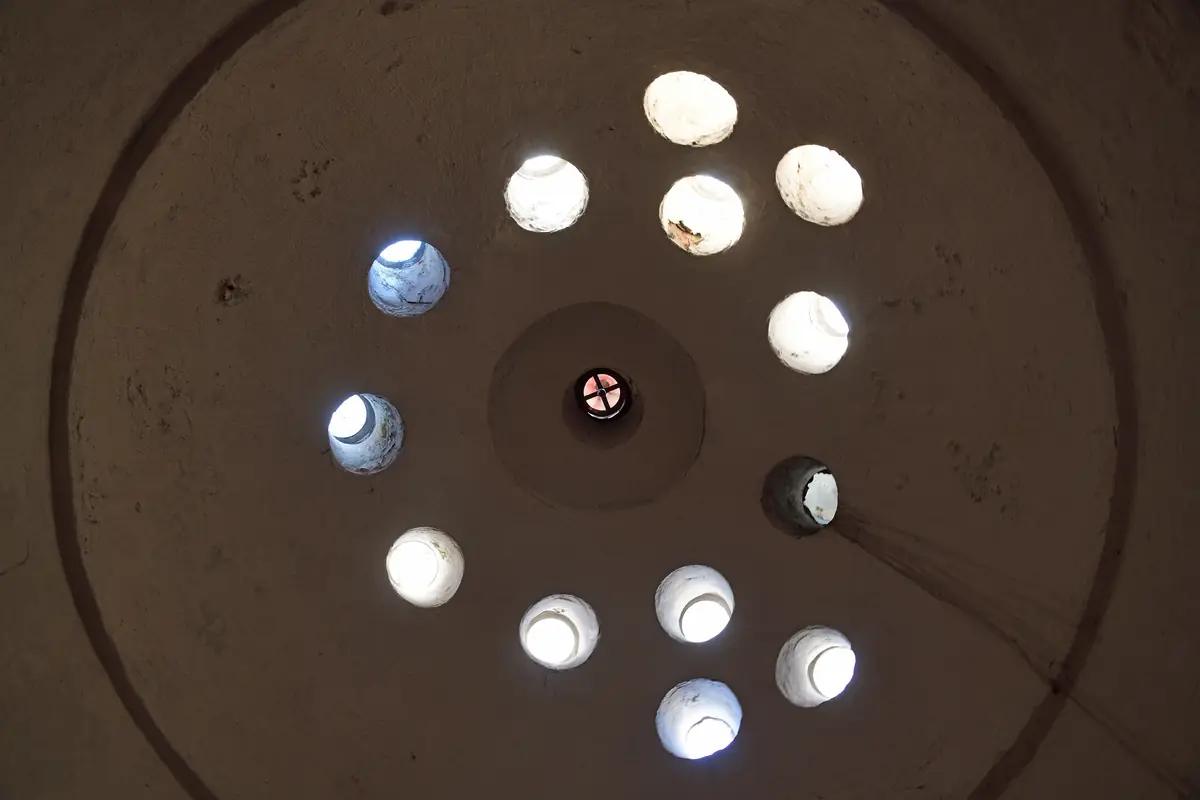
The show takes place in a former hamam from the 15th century in Sirkeci. Hodjapasha was a double bath, with side-by-side sections for men and women, built from neatly hewn stone and double rows of brick. Wikipedia says several large Istanbul hammams were built as double baths, with separate facilities for women and men. The men's section of this one closed in 1988 and was restored as a market place, and the dome's portico area, restored in 2008, now works as the culture center. The ticket invites you to admire the original architecture and to see a Dervish exhibition in the foyer. A separate guide covers the building in detail.
Read next: Inside the Hocapaşa hamam
Which ticket to book
One ticket is sold for the show, priced per person and shown in your own currency. Choose a date and the calendar then shows which start times are open. The ticket lists admission to the performance, a programme booklet and bottled drinking water. Meals are not part of it, so plan your dinner around the show. If you want a meal inside the same booking, a belly-dance dinner show is a different evening at a different venue, and the booking section of this site shows one for comparison. Check the booking page for any other fare types, which this guide does not describe.
How seats are allocated
Seats are allocated on a first-booked, first-served basis, according to the ticket's notes for visitors. If your seat position matters, book early rather than in the week you travel. Booking your whole party at once keeps everyone on a single booking, which is simpler to manage if plans change. Allocation follows booking order, not arrival order. The ticket also notes that it is not suitable for wheelchair users, so anyone in your group who needs step-free access should look at a different evening. Arrive with your confirmation, which shows your date and start time.
Booking terms in plain words
Cancel a day or more before the show and the refund is complete; reserving now and paying later also lets you hold a date while plans settle. The cancellation window is counted in hours before the show, so check it as soon as your dates move. Start times appear in the calendar once you pick a date. The booking is made on GetYourGuide's protected payment page, not on this site. Fares are shown in US dollars on this guide and convert into your own currency at checkout, so the figure you see there is the one that counts.
Who this isn't for
A whirling-dervish ceremony is a different show, so look elsewhere if that is what you want. Skip it if you need wheelchair access, since wheelchair users are listed among those the show does not suit. Look elsewhere if you want dinner and a night out in a single booking, because this is a 65-minute show with no meal in the ticket. It also suits travellers who enjoy a staged, modern take on folk dance more than purists who want a village festival, where dances run for as long as the dancers and the drummers like. And if you want a lecture on Turkish culture, the programme booklet is the closest the ticket offers.
Why the dances differ from region to region
Turkey's folk dances belong to places. Wikipedia lists the horon of the Black Sea coast, the zeybek of the Aegean, the bar of eastern Anatolia, the halay of several regions and the spoon dances around Konya and the Mediterranean. The zeybek takes its name from the Zeybeks, irregular fighters of the late Ottoman period, and the word horon comes from the Greek choros, meaning dance. The ticket's phrase, dances from different regions of Anatolia, points at this variety. Wikipedia's overview also names karşılama, a fast face-to-face dance tied to wedding music. Costumes, rhythms and steps change as you move across the country, which is why a mixed programme can feel like a short tour. The guide to Anatolian folk dances explains each tradition.
Read next: Anatolian folk dances, explained
The sound behind the steps
Wikipedia says the davul and zurna accompany many Turkish folk dances, with the bağlama, the kemençe and other instruments used in particular regions. It adds that in recent years electronic instruments have increasingly replaced traditional ones at halay gatherings. The ticket promises live music but does not name the instruments, so expect a programme that varies from piece to piece. For listeners who want names for the sounds, the guide to the instruments of Anatolian dance explains the sounds in plain terms and helps you listen for them, from the loud, piercing zurna, which Wikipedia says players often sustain with circular breathing, to the drum that keeps it in time.
Read next: Instruments of Anatolian dance
Planning the evening around it
At 65 minutes, the show leaves room for an evening in the old city. The centre is in Sirkeci, on the historic peninsula near the Golden Horn. Sirkeci is known for its railway station, the former eastern terminus of the Orient Express, whose current terminal building dates from 1890, and an underground Marmaray station serves it. Plan around the start time shown in your confirmation, not a time quoted elsewhere, because start times are set per date. The guide to getting there lists the landmarks and the address to show a taxi driver. Wikipedia names Gülhane Park and the Topkapı Palace area among the places near the railway station, which helps if you want a walk before the show.
Read next: Getting to Sirkeci for the show
Frequently asked questions
Is Rhythm of the Dance the whirling dervish show?
No. It is a modern folk-dance show with contemporary choreography. The whirling-dervish ceremony, the sema, is a separate Mevlevi ritual and a separate booking, though the same hall hosts it.
How long does the show last?
About an hour: 65 minutes. Start times are set date by date.
What does the ticket include?
Admission to the performance, a programme booklet and bottled drinking water. It is a show ticket and does not include dinner.
Can I choose my seat?
Seats are allocated first-booked, first-served. Booking earlier is the step that helps, so book once your dates are fixed.
Can wheelchair users attend?
The booking page lists it as unsuitable for wheelchair users.
Can I cancel?
Yes: free cancellation until a day before, and payment can follow later.
Sources